
Building authority online is essential for travel professionals who want consistent leads, higher trust, and clients who choose expertise over price. Authority is not about claiming to be an expert, it is about demonstrating knowledge, consistency, and credibility across multiple touchpoints. When done correctly, your online presence works for you even when you are not actively selling.
Choose a clear niche and own it publicly
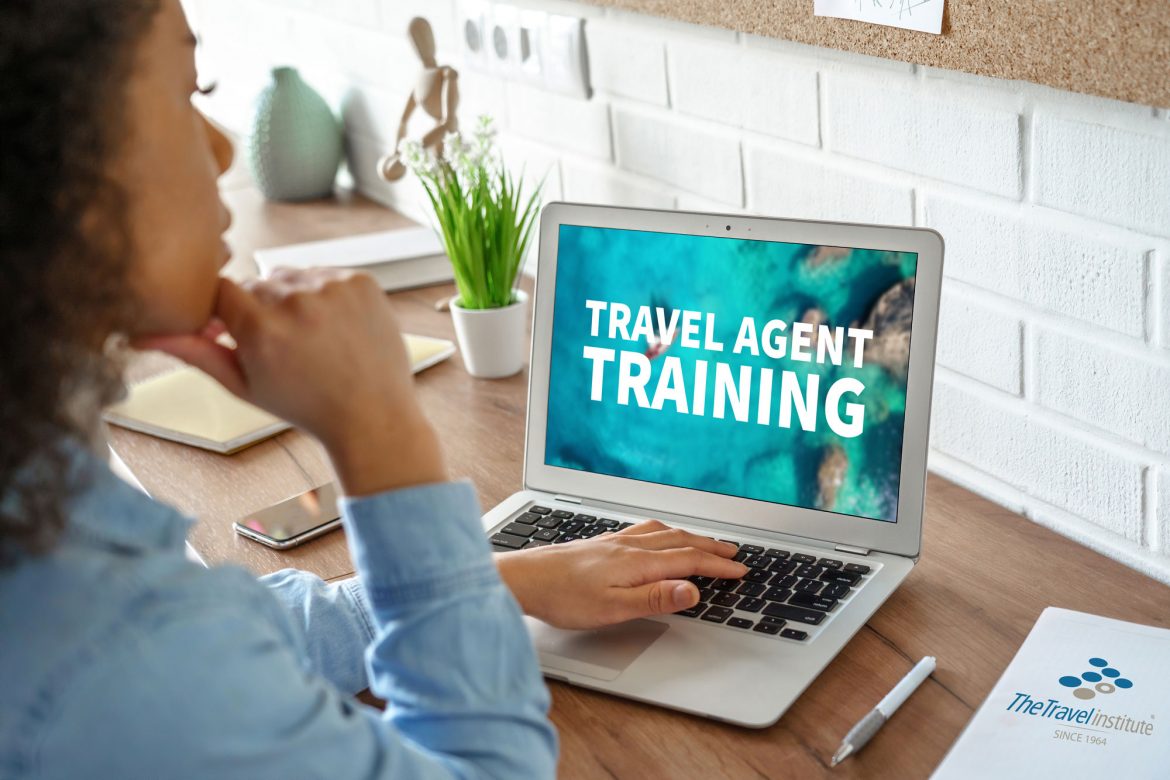
Authority starts with focus. Trying to serve everyone makes it difficult for anyone to remember you. Choosing a niche allows your expertise to become recognizable and trusted over time.
This niche can be destination based, experience based, or audience based. For example, theme park vacations, family travel, cruises, or luxury escapes. Once chosen, your niche should be visible everywhere you show up online, including your website, social media profiles, and content topics.
Clients trust specialists more than generalists. Someone planning a complex theme park vacation is far more likely to work with a Universal Studios travel agent who clearly understands ticketing, on site hotels, park strategies, and seasonal considerations.
Create helpful content that answers real questions

Authority is built by being useful consistently. The most effective content answers real questions travelers are already asking. This includes planning guides, comparisons, timelines, common mistakes, and decision making support.
Blog posts, short videos, social posts, and email content all contribute to authority when they are educational rather than promotional. Focus on clarity and simplicity. Avoid jargon and explain things the way a traveler would want them explained.
Sharing behind the scenes insights, planning logic, or why one option works better than another shows depth of knowledge. Over time, people begin to associate your name with reliable answers.
Show proof through experience and consistency

Consistency builds credibility. Posting helpful content once does not create authority, but showing up regularly does. You do not need to post every day, but you do need a predictable presence.
Social proof also matters. Share client stories, testimonials, and real planning examples when appropriate. This demonstrates that your expertise is applied in real situations, not just theory.
Authority grows faster when people see results connected to your advice. Even small wins, when shared honestly, reinforce trust.
Engage instead of broadcasting
Authority is not built by talking at people. It is built by interacting with them. Respond to comments, answer questions, and participate in relevant conversations online.
When people see you engaging thoughtfully, they begin to view you as accessible and knowledgeable. This also helps algorithms surface your content more often, increasing reach organically.
Being helpful without immediately selling builds goodwill. Many clients will follow, observe, and then reach out when they are ready.
Conclusion
Building authority as a travel expert online is a long term strategy, not a quick tactic. By choosing a clear niche, creating helpful content, showing consistency, engaging authentically, and staying informed, travel professionals position themselves as trusted guides rather than sellers. Over time, authority reduces resistance, shortens sales cycles, and attracts clients who value expertise and are ready to book with confidenc