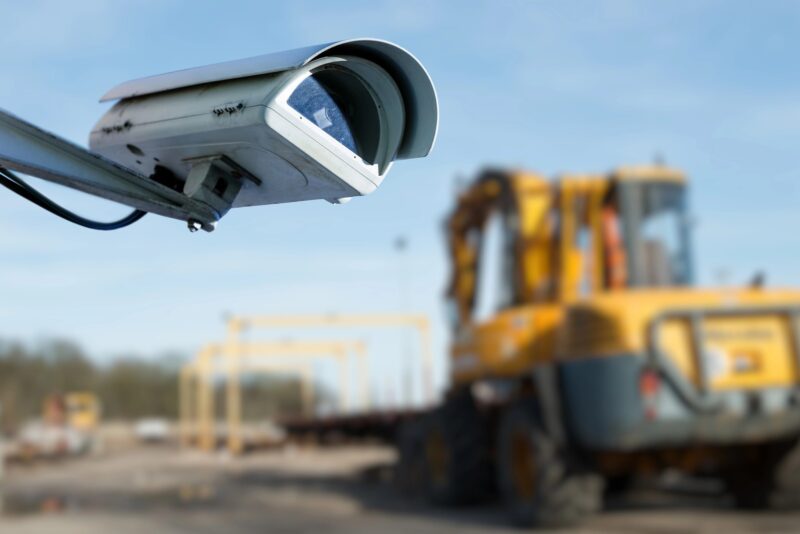
Choosing the right security camera for construction and industrial sites is essential for protecting equipment, materials, personnel, and progress records. These environments are often rugged, changing daily, and exposed to weather, dust, vibration, and vandalism. The best cameras balance durability, image quality, installation flexibility, and monitoring features so you can deter theft, manage risk, and document events with confidence.
Durability and weather resistance for tough environments
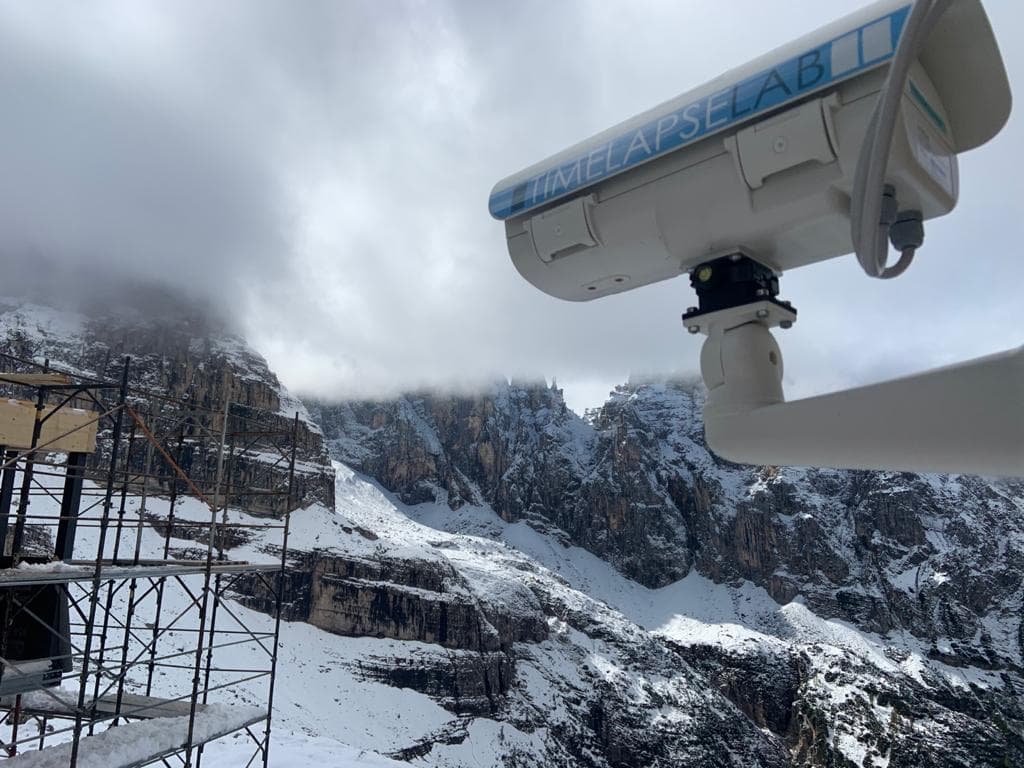
Construction and industrial sites demand cameras that can withstand rain, dust, heat, cold, and physical impact. Look for cameras with solid ingress protection ratings such as IP66 or higher, which keep out water and debris. Metal housings, tamper proof mounts, and vandal resistant enclosures increase longevity on active sites subject to machinery movement and rough handling. When evaluating options, you can also discover building site CCTV possibilities that include hardened housings and rugged mounting accessories suited to long term outdoor use.
Environmental resilience goes beyond rain protection. Cameras with built in heaters or fan systems help maintain performance in extreme temperatures, while sealed enclosures prevent condensation that can blur footage. These features combined with lens options designed for wide scenes and long range coverage help ensure your camera delivers clear images day and night, even in challenging conditions.
Image quality, night vision, and analytics
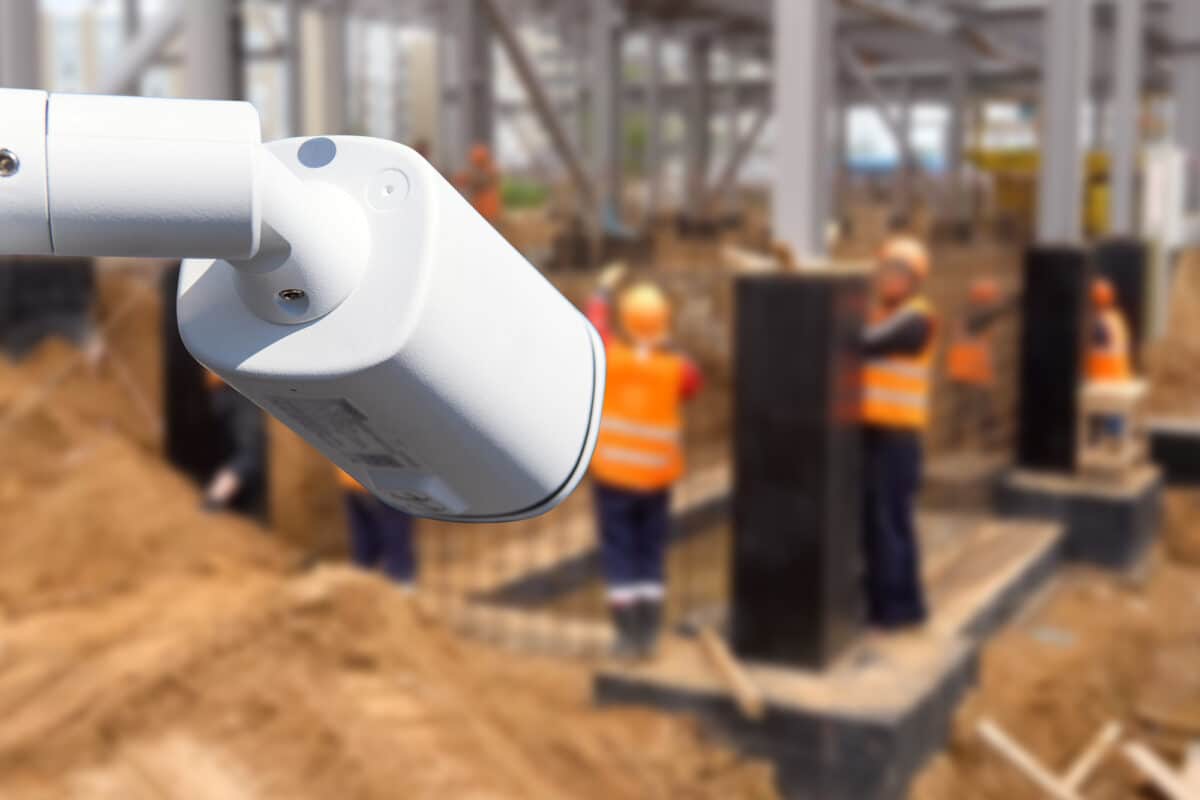
High resolution sensors such as 4K produce sharp images that improve identification of faces, vehicle plates, and distant activity. This is especially useful for documenting incidents or conducting investigations. Infrared (IR) illumination extends visibility when ambient light is low, but advanced systems also include white light options that provide color footage at night.
Modern cameras increasingly offer analytics such as motion detection, line crossing alerts, and object classification. These features reduce false positives by filtering out irrelevant motion from windblown debris or small animals. Integrated alerts via email or mobile apps keep teams informed in real time without constant monitoring, allowing faster response to genuine security events and improving situational awareness across the site.
Connectivity, power, and integration with security systems

Choose cameras that match the site’s power and connectivity infrastructure. Power over Ethernet (PoE) simplifies installation by sending power and data over a single cable, while wireless options can bridge gaps where cabling is difficult. Cellular connected cameras are useful for remote sites without reliable network access but may require data plans and careful placement for signal strength. Video storage strategies also vary; on site storage with local recorders or cloud based platforms each have pros and cons depending on bandwidth, retention needs, and review workflows.
Integration with alarms, access control, and remote monitoring services increases overall site security. Cameras that support open protocols or standard platforms simplify management across multiple devices. For busy projects with shifting needs, modular systems that allow cameras to be moved, added, or reconfigured without major rewiring can save time and cost.
Conclusion
The best security camera for construction and industrial sites combines rugged build quality, strong image performance, intelligent analytics, and connectivity options that suit your infrastructure. By planning for environment, coverage needs, and monitoring workflows, you can invest in cameras that protect your site and provide valuable oversight. Exploring professional grade hardware helps ensure you find solutions that balance reliability, ease of use, and long term protection.