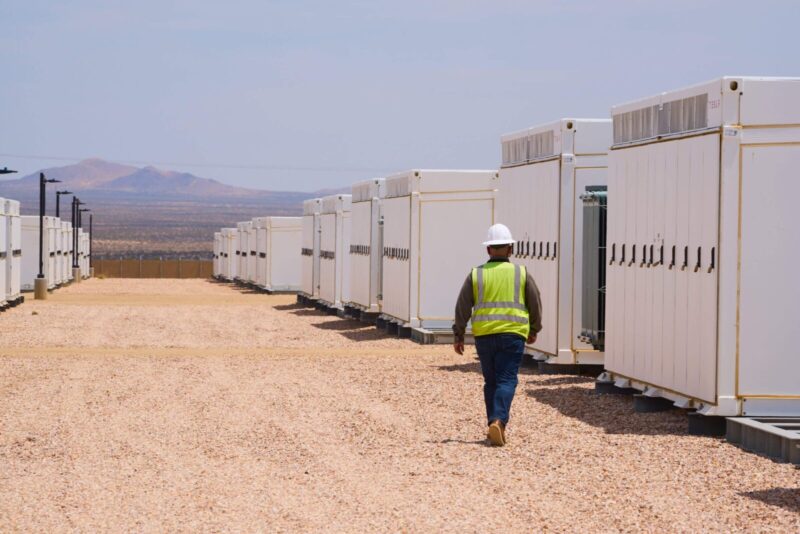
As energy demand continues to grow, utility providers face increasing pressure to maintain stable and reliable electrical networks. Traditional power grids were designed around predictable energy generation, but modern systems now rely heavily on renewable sources that can fluctuate depending on weather and demand conditions.
To manage these challenges, utility companies are investing in advanced energy storage technologies that improve flexibility and operational reliability. Battery Energy Storage Systems are becoming one of the most effective solutions for balancing supply and demand while supporting long-term grid performance.
The Growing Need for Flexible Energy Infrastructure
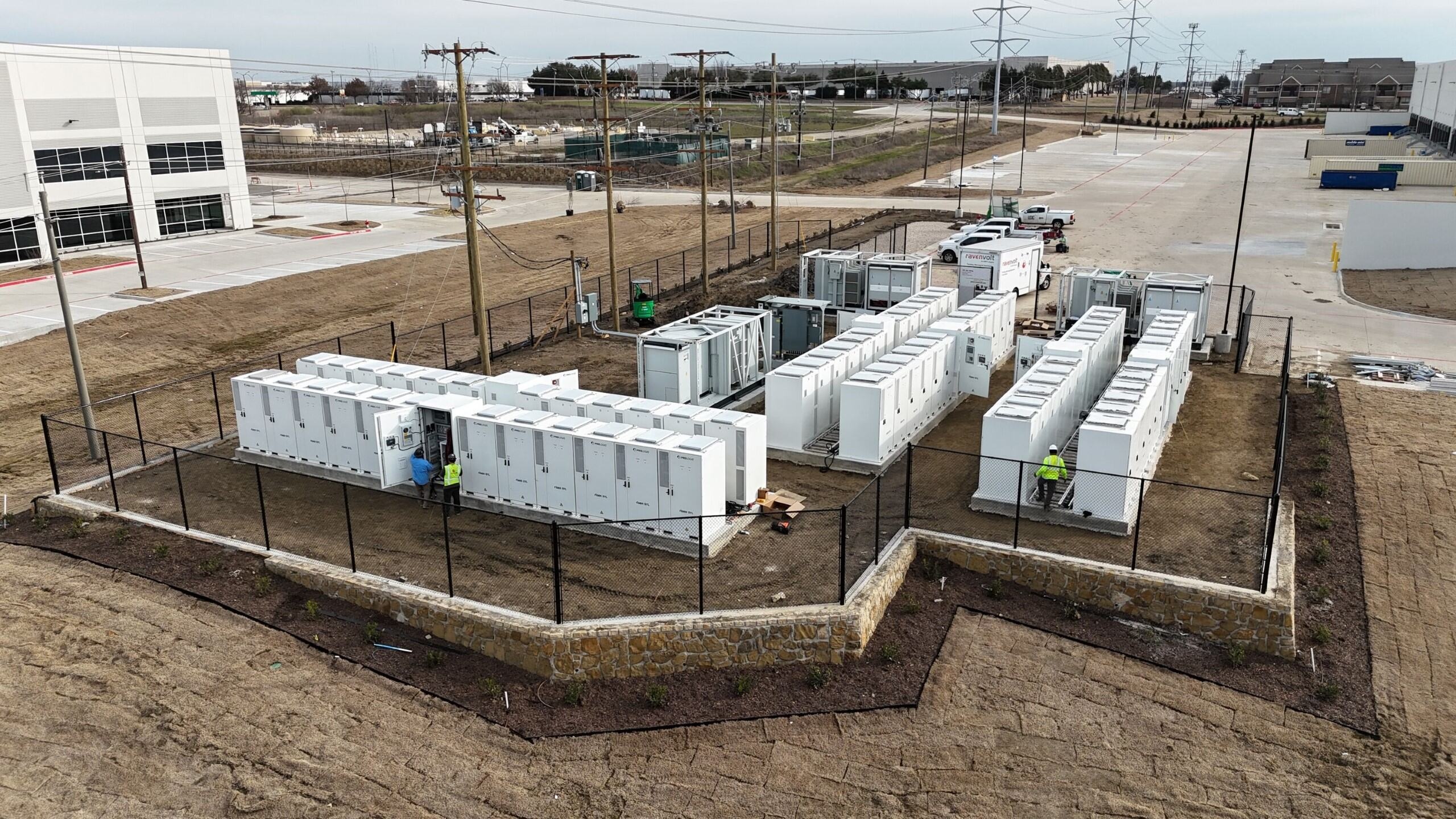
Modern electrical grids must handle rapid changes in energy consumption while integrating renewable energy sources such as solar and wind power. These renewable systems are valuable for sustainability goals, but their energy output is not always consistent. Because large scale BESS empowers utilities, energy providers can store excess electricity during periods of high production and release it when demand increases.
This flexibility helps stabilize voltage levels and reduces stress on traditional power generation facilities. Instead of relying entirely on fossil fuel plants during peak demand periods, utilities can use stored energy to support the grid instantly. This creates a more balanced and efficient energy network capable of adapting to changing conditions.
Utility scale battery storage also improves response times during sudden disruptions. Unlike conventional power plants that may require significant startup time, battery systems can deliver electricity almost immediately. This rapid response capability is critical for preventing widespread outages and maintaining uninterrupted service.
Improving Grid Reliability and Reducing Operational Risks

Grid stability depends on maintaining a constant balance between energy supply and demand. Even small disruptions can create voltage fluctuations, frequency instability, or localized outages. Battery storage systems help utilities manage these risks by providing fast acting backup power and grid support services.
Large scale storage facilities can absorb excess energy when demand is low and discharge it during periods of peak usage. This process reduces pressure on aging infrastructure and lowers the risk of overload conditions. Utilities also benefit from fewer interruptions caused by sudden spikes in electricity demand.
Another important advantage is enhanced resilience during emergencies. Severe weather events, equipment failures, and unexpected disruptions can place significant strain on power networks. Battery storage systems provide emergency reserve capacity that helps utilities maintain critical operations even when primary generation sources are affected.
In addition, integrating battery storage into the grid can reduce dependence on expensive peaker plants that operate only during periods of extreme demand. This helps lower operational costs while improving overall system efficiency.
Supporting Renewable Energy Integration and Sustainability

One of the biggest challenges facing modern utilities is integrating renewable energy into existing infrastructure without compromising reliability. Solar and wind power generation can vary throughout the day, creating imbalances that traditional grids were not originally designed to handle. Battery Energy Storage Systems solve this issue by storing renewable energy and releasing it when production decreases.
This capability allows utilities to maximize the use of clean energy while minimizing waste. Instead of curtailing excess renewable generation, stored electricity can be distributed later when needed. This improves energy efficiency and supports environmental sustainability goals.
Battery storage also contributes to long term infrastructure modernization. As energy systems become more decentralized and technologically advanced, utilities require flexible solutions that can adapt to evolving demand patterns. Large scale storage projects provide a reliable foundation for future grid expansion and cleaner energy transitions.
Conclusion
Utility scale battery storage plays a vital role in supporting stable, reliable, and efficient electrical grids. By balancing energy supply and demand, reducing operational risks, and improving renewable energy integration, Battery Energy Storage Systems help utilities maintain dependable service under increasingly complex conditions.
Companies and energy providers that invest in advanced storage technologies benefit from greater flexibility, stronger grid resilience, and improved long term sustainability. As global energy infrastructure continues to evolve, utility scale battery storage will remain a critical component of modern power networks.